Why Every Modern Pilot Should Train in a Tailwheel Aircraft
Most pilots today learn to fly in tricycle-gear aircraft (like a Cessna 172 or a Piper Archer). These airplanes are fantastic training platforms—they are stable on the ground, forgiving during landings, and relatively easy to manage. But because nosewheel aircraft are so forgiving on the ground, they can sometimes foster lazy rudder habits.
If you want to transition from being a pilot who merely “steers” an airplane to an aviator who truly flies it, stepping into a conventional gear (tailwheel) aircraft is the ultimate transformation.
At Hewison Aviation Flight Training, we offer premier tailwheel endorsement courses. We believe that tailwheel training is the single best investment you can make to elevate your overall airmanship, coordination, and crosswind confidence.
Here is why every pilot—from student level to airline professional—should train in a tailwheel aircraft.
1. It’s the Ultimate “Stick and Rudder” Masterclass
In a tricycle-gear aircraft, the center of gravity (CG) is located forward of the main wheels. This makes the aircraft naturally want to track straight on the ground. During landings, if you touch down slightly crooked, the nosewheel castor forces will mechanically pull the nose back in line.
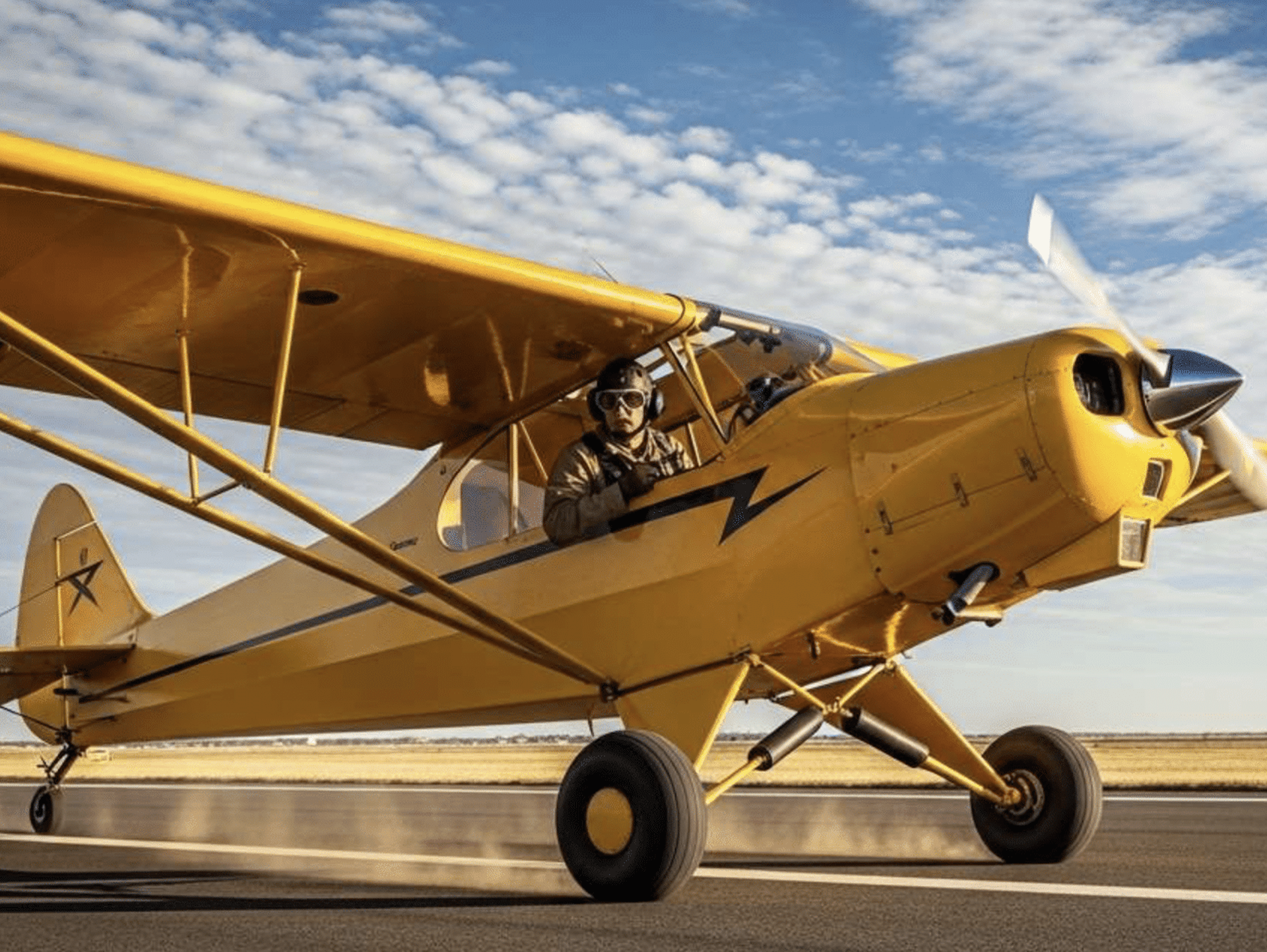
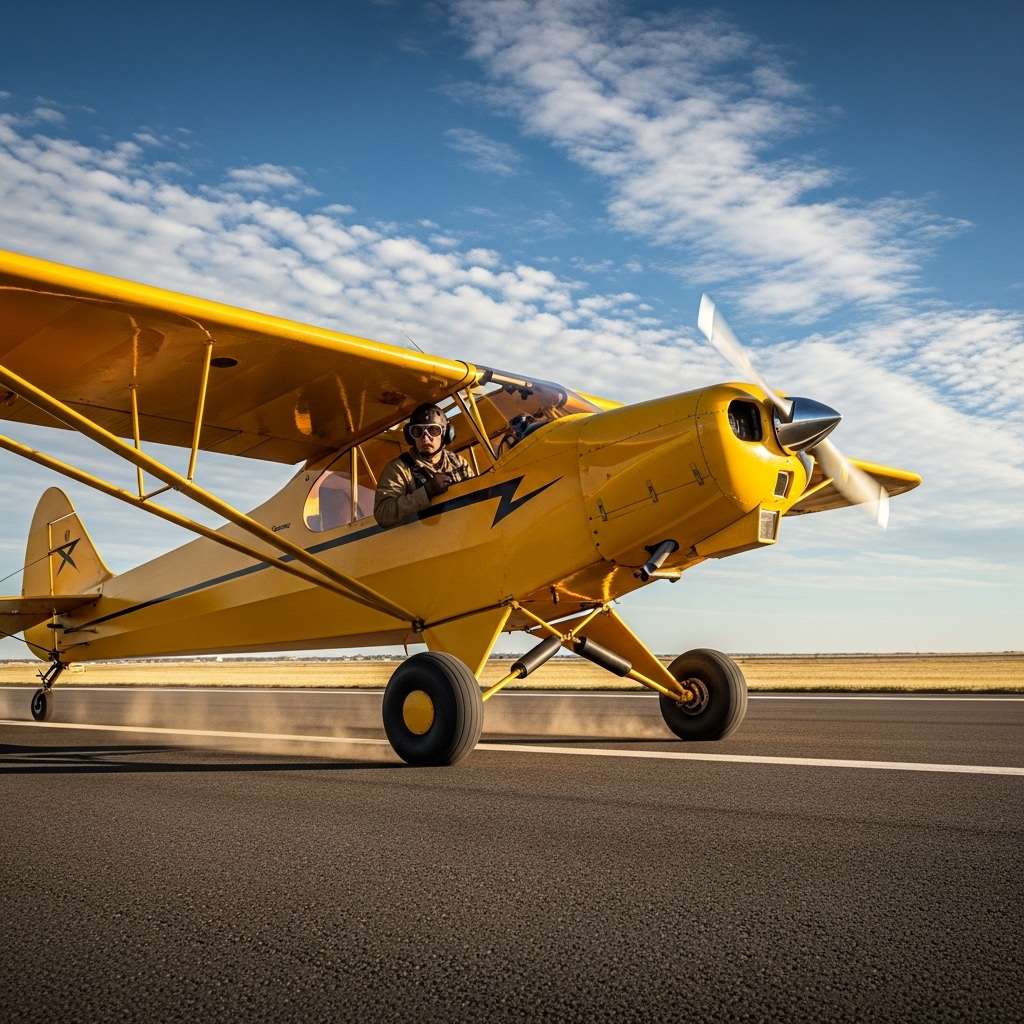
In a conventional-gear aircraft, the CG is located behind the main wheels. This creates an inherently unstable system on the ground. If the aircraft begins to swerve, the CG wants to pivot around the mains. If left unchecked, this swerve can result in a “ground loop” (a rapid, uncontrolled ground pivot).
– Active Feet: To fly a tailwheel, you must keep your feet constantly active on the rudder pedals. You cannot simply sit back and ride out the landing rollout; you must actively pilot the plane until it comes to a complete stop.
– Instant Feedback: If your rudder coordination is lazy, the tailwheel lets you know immediately. It forces you to feel the wind and correct side-drifts instantly, correcting micro-errors before they become macro-errors.
2. Conquering the Crosswind
For many Private Pilot license students and seasoned aviators alike, crosswind landings are a major source of stress.
Tailwheel training dismantles this fear. Because the toll of landing crooked in a tailwheel is high, you will learn to execute land-and-slip techniques with absolute precision:
– The Wind-Low Method: You’ll learn how to slip the aircraft, banking into the wind and using opposite rudder to align the fuselage parallel to the runway centerline.
– Wheel Landings vs. Three-Point Landings: You will master both categories of tailwheel landings. You will learn to plant the main wheels first in gusty winds (wheel landing) or touch all three wheels down simultaneously in light winds (three-point landing).
3. Deepening Your Pitch and Attitude Awareness
Because tailwheel airplanes sit on the ground with their nose pointing skyward, your forward visibility during taxi is limited. This forces you to:
– S-Turn While Taxiing: You must weave side to side (S-turn) to scan the taxiway ahead, building active safety habits.
– Aerodynamic Braking: You will learn to use the elevator to manage the wind’s effect on your tail while on the ground. (For example, keeping the yoke fully back in a headwind to plant the tailwheel).
– Better Landings in Tricycle Gear: When you return to a tricycle-gear airplane after tailwheel training, your flare timing, centerline alignment, and pitch control will be immensely sharper.
4. Opening Paths to Unique Aviation Fields
A vast majority of classical, military, bush-flying, and aerobatic aircraft are conventional gear. If you have dreams of flying a historic warbird, carrying cargo into remote Alaskan bush strips, or enjoying high-performance aerobatics, a tailwheel endorsement is your non-negotiable entry ticket.
Furthermore, if you are studying to become a CFI (Certified Flight Instructor) or a Commercial pilot, having a tailwheel endorsement on your resume shows employers that you possess elite aircraft handling skills and deep aerodynamic understanding.
Take the Stick at Hewison Aviation
Whether you want to challenge yourself with a weekend tailwheel course, add a new rating like an Instrument Rating, or check off a bucket-list aviation goal, our specialized conventional-gear mentors at Hewison Aviation are ready to coach you.
Let’s get your feet moving and elevate your airmanship to the highest level.
🚀 Reach out to our admissions team or book an introductory discovery flight today by visiting hewisonaviation.com!