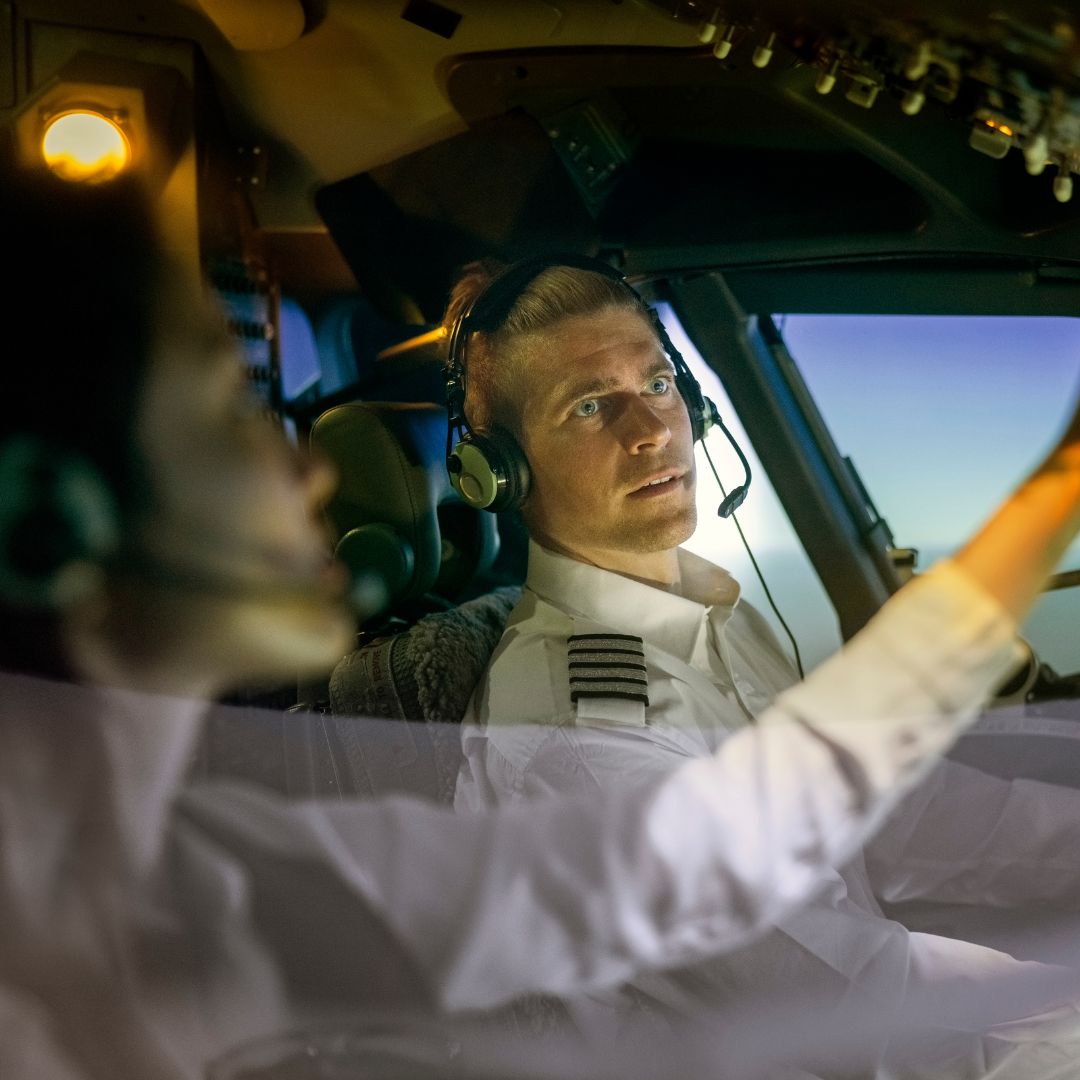
Learn How To Fly!
ABOUT HEWISON AVIATION (1)
All licenses are perpetual. However, you will need to pass a flight review with an FAA certificated instructor every 2 years.
FEDERAL AVIATION REGULATIONS (8)
Part 61 and Part 141 are the training laws outlined by the Code of Federal Aviation Regulations. These are the two different pilot training rules which provide different flight hours and requirements for obtaining private and commercial pilot certificates. Under Part 61, a student is required to have a minimum of 40 hours prior to their checkride to obtain a private license and 250 hours to obtain a commercial license. Under Part 141, a student is eligible to obtain a private license with 35 hours and a commercial license with 190 hours. Another differentiating factor is that Part 141 schools are audited by the FAA and have detailed guidelines for pilot training. We offer both Part 61 and 141 training.
The FAA is an abbreviation of the Federal Aviation Administration, which is the national aviation authority of the United States. It regulates and oversees all the American civil aviation activities and approves and evaluates flight training schools and instructors for providing professional flight training. Only FAA certificated instructors can provide flight training in the USA.
There are five primary types of licenses. Private Pilot License: For individuals who want to fly for pleasure or personal business. Commercial Pilot License: For individuals who intend to obtain employment as a pilot. Sports Pilot License: For individuals who only want to fly light-sport aircraft. Instrument Rating: For individuals who can fly under IFR (Instrument Flight Rules). Recreational Pilot License: For individuals who can fly aircraft up to 180 horsepower with 4 seating capacity in the daytime and only for personal usage or hobby.
Typically, to obtain a private pilot license, it requires 60-70 hours of flight time. This can be accompished in as little as four months or may take a little over a year depending on how much time you can dedicate towards your training. For commercial pilot license it takes 150 – 275 hours of flight time and can take 1 to 3 years depending on your time and availability. Training is very much dependent on how committed you are to learning to fly and how frequently you fly. To learn how to become and airline pilot and how long it takes, feel free to call or text us.
All licenses are perpetual. However, you will need to pass a flight review with an FAA certificated instructor every 2 years.
You may start your training without obtaining any medical certificate, however, before you start flying by yourself without an instructor, you need to obtain appropriate FAA medical certificates. There are 1st, 2nd, and 3rd class medical certificates. The minimum requirement for a student pilot is to obtain a 3rd class medical certificate. To work as an airline pilot or instructor, you need to obtain a 1st class medical certificate.
We do not offer this training, but our partner, MVCC, in Rome, NY offers this training.
FLIGHT TRAINING IN NEW YORK (5)
Part 61 and Part 141 are the training laws outlined by the Code of Federal Aviation Regulations. These are the two different pilot training rules which provide different flight hours and requirements for obtaining private and commercial pilot certificates. Under Part 61, a student is required to have a minimum of 40 hours prior to their checkride to obtain a private license and 250 hours to obtain a commercial license. Under Part 141, a student is eligible to obtain a private license with 35 hours and a commercial license with 190 hours. Another differentiating factor is that Part 141 schools are audited by the FAA and have detailed guidelines for pilot training. We offer both Part 61 and 141 training.
There are five primary types of licenses. Private Pilot License: For individuals who want to fly for pleasure or personal business. Commercial Pilot License: For individuals who intend to obtain employment as a pilot. Sports Pilot License: For individuals who only want to fly light-sport aircraft. Instrument Rating: For individuals who can fly under IFR (Instrument Flight Rules). Recreational Pilot License: For individuals who can fly aircraft up to 180 horsepower with 4 seating capacity in the daytime and only for personal usage or hobby.
You may start your training without obtaining any medical certificate, however, before you start flying by yourself without an instructor, you need to obtain appropriate FAA medical certificates. There are 1st, 2nd, and 3rd class medical certificates. The minimum requirement for a student pilot is to obtain a 3rd class medical certificate. To work as an airline pilot or instructor, you need to obtain a 1st class medical certificate.
We do not offer this training, but our partner, MVCC, in Rome, NY offers this training.
HOW TO BECOME A PILOT (8)
Part 61 and Part 141 are the training laws outlined by the Code of Federal Aviation Regulations. These are the two different pilot training rules which provide different flight hours and requirements for obtaining private and commercial pilot certificates. Under Part 61, a student is required to have a minimum of 40 hours prior to their checkride to obtain a private license and 250 hours to obtain a commercial license. Under Part 141, a student is eligible to obtain a private license with 35 hours and a commercial license with 190 hours. Another differentiating factor is that Part 141 schools are audited by the FAA and have detailed guidelines for pilot training. We offer both Part 61 and 141 training.
The FAA is an abbreviation of the Federal Aviation Administration, which is the national aviation authority of the United States. It regulates and oversees all the American civil aviation activities and approves and evaluates flight training schools and instructors for providing professional flight training. Only FAA certificated instructors can provide flight training in the USA.
There are five primary types of licenses. Private Pilot License: For individuals who want to fly for pleasure or personal business. Commercial Pilot License: For individuals who intend to obtain employment as a pilot. Sports Pilot License: For individuals who only want to fly light-sport aircraft. Instrument Rating: For individuals who can fly under IFR (Instrument Flight Rules). Recreational Pilot License: For individuals who can fly aircraft up to 180 horsepower with 4 seating capacity in the daytime and only for personal usage or hobby.
Typically, to obtain a private pilot license, it requires 60-70 hours of flight time. This can be accompished in as little as four months or may take a little over a year depending on how much time you can dedicate towards your training. For commercial pilot license it takes 150 – 275 hours of flight time and can take 1 to 3 years depending on your time and availability. Training is very much dependent on how committed you are to learning to fly and how frequently you fly. To learn how to become and airline pilot and how long it takes, feel free to call or text us.
All licenses are perpetual. However, you will need to pass a flight review with an FAA certificated instructor every 2 years.
You may start your training without obtaining any medical certificate, however, before you start flying by yourself without an instructor, you need to obtain appropriate FAA medical certificates. There are 1st, 2nd, and 3rd class medical certificates. The minimum requirement for a student pilot is to obtain a 3rd class medical certificate. To work as an airline pilot or instructor, you need to obtain a 1st class medical certificate.
We do not offer this training, but our partner, MVCC, in Rome, NY offers this training.
STEPS TO BECOME A PILOT (5)
There are five primary types of licenses. Private Pilot License: For individuals who want to fly for pleasure or personal business. Commercial Pilot License: For individuals who intend to obtain employment as a pilot. Sports Pilot License: For individuals who only want to fly light-sport aircraft. Instrument Rating: For individuals who can fly under IFR (Instrument Flight Rules). Recreational Pilot License: For individuals who can fly aircraft up to 180 horsepower with 4 seating capacity in the daytime and only for personal usage or hobby.
Typically, to obtain a private pilot license, it requires 60-70 hours of flight time. This can be accompished in as little as four months or may take a little over a year depending on how much time you can dedicate towards your training. For commercial pilot license it takes 150 – 275 hours of flight time and can take 1 to 3 years depending on your time and availability. Training is very much dependent on how committed you are to learning to fly and how frequently you fly. To learn how to become and airline pilot and how long it takes, feel free to call or text us.
All licenses are perpetual. However, you will need to pass a flight review with an FAA certificated instructor every 2 years.
You may start your training without obtaining any medical certificate, however, before you start flying by yourself without an instructor, you need to obtain appropriate FAA medical certificates. There are 1st, 2nd, and 3rd class medical certificates. The minimum requirement for a student pilot is to obtain a 3rd class medical certificate. To work as an airline pilot or instructor, you need to obtain a 1st class medical certificate.
We do not offer this training, but our partner, MVCC, in Rome, NY offers this training.
ABOUT HEWISON AVIATION (1)
FEDERAL AVIATION REGULATIONS (8)
Part 61 and Part 141 are the training laws outlined by the Code of Federal Aviation Regulations. These are the two different pilot training rules which provide different flight hours and requirements for obtaining private and commercial pilot certificates. Under Part 61, a student is required to have a minimum of 40 hours prior to their checkride to obtain a private license and 250 hours to obtain a commercial license. Under Part 141, a student is eligible to obtain a private license with 35 hours and a commercial license with 190 hours. Another differentiating factor is that Part 141 schools are audited by the FAA and have detailed guidelines for pilot training. We offer both Part 61 and 141 training.
The FAA is an abbreviation of the Federal Aviation Administration, which is the national aviation authority of the United States. It regulates and oversees all the American civil aviation activities and approves and evaluates flight training schools and instructors for providing professional flight training. Only FAA certificated instructors can provide flight training in the USA.
There are five primary types of licenses. Private Pilot License: For individuals who want to fly for pleasure or personal business. Commercial Pilot License: For individuals who intend to obtain employment as a pilot. Sports Pilot License: For individuals who only want to fly light-sport aircraft. Instrument Rating: For individuals who can fly under IFR (Instrument Flight Rules). Recreational Pilot License: For individuals who can fly aircraft up to 180 horsepower with 4 seating capacity in the daytime and only for personal usage or hobby.
Typically, to obtain a private pilot license, it requires 60-70 hours of flight time. This can be accompished in as little as four months or may take a little over a year depending on how much time you can dedicate towards your training. For commercial pilot license it takes 150 – 275 hours of flight time and can take 1 to 3 years depending on your time and availability. Training is very much dependent on how committed you are to learning to fly and how frequently you fly. To learn how to become and airline pilot and how long it takes, feel free to call or text us.
All licenses are perpetual. However, you will need to pass a flight review with an FAA certificated instructor every 2 years.
You may start your training without obtaining any medical certificate, however, before you start flying by yourself without an instructor, you need to obtain appropriate FAA medical certificates. There are 1st, 2nd, and 3rd class medical certificates. The minimum requirement for a student pilot is to obtain a 3rd class medical certificate. To work as an airline pilot or instructor, you need to obtain a 1st class medical certificate.
We do not offer this training, but our partner, MVCC, in Rome, NY offers this training.
FLIGHT TRAINING IN NEW YORK (5)
Part 61 and Part 141 are the training laws outlined by the Code of Federal Aviation Regulations. These are the two different pilot training rules which provide different flight hours and requirements for obtaining private and commercial pilot certificates. Under Part 61, a student is required to have a minimum of 40 hours prior to their checkride to obtain a private license and 250 hours to obtain a commercial license. Under Part 141, a student is eligible to obtain a private license with 35 hours and a commercial license with 190 hours. Another differentiating factor is that Part 141 schools are audited by the FAA and have detailed guidelines for pilot training. We offer both Part 61 and 141 training.
There are five primary types of licenses. Private Pilot License: For individuals who want to fly for pleasure or personal business. Commercial Pilot License: For individuals who intend to obtain employment as a pilot. Sports Pilot License: For individuals who only want to fly light-sport aircraft. Instrument Rating: For individuals who can fly under IFR (Instrument Flight Rules). Recreational Pilot License: For individuals who can fly aircraft up to 180 horsepower with 4 seating capacity in the daytime and only for personal usage or hobby.
You may start your training without obtaining any medical certificate, however, before you start flying by yourself without an instructor, you need to obtain appropriate FAA medical certificates. There are 1st, 2nd, and 3rd class medical certificates. The minimum requirement for a student pilot is to obtain a 3rd class medical certificate. To work as an airline pilot or instructor, you need to obtain a 1st class medical certificate.
We do not offer this training, but our partner, MVCC, in Rome, NY offers this training.
HOW TO BECOME A PILOT (8)
Part 61 and Part 141 are the training laws outlined by the Code of Federal Aviation Regulations. These are the two different pilot training rules which provide different flight hours and requirements for obtaining private and commercial pilot certificates. Under Part 61, a student is required to have a minimum of 40 hours prior to their checkride to obtain a private license and 250 hours to obtain a commercial license. Under Part 141, a student is eligible to obtain a private license with 35 hours and a commercial license with 190 hours. Another differentiating factor is that Part 141 schools are audited by the FAA and have detailed guidelines for pilot training. We offer both Part 61 and 141 training.
The FAA is an abbreviation of the Federal Aviation Administration, which is the national aviation authority of the United States. It regulates and oversees all the American civil aviation activities and approves and evaluates flight training schools and instructors for providing professional flight training. Only FAA certificated instructors can provide flight training in the USA.
There are five primary types of licenses. Private Pilot License: For individuals who want to fly for pleasure or personal business. Commercial Pilot License: For individuals who intend to obtain employment as a pilot. Sports Pilot License: For individuals who only want to fly light-sport aircraft. Instrument Rating: For individuals who can fly under IFR (Instrument Flight Rules). Recreational Pilot License: For individuals who can fly aircraft up to 180 horsepower with 4 seating capacity in the daytime and only for personal usage or hobby.
Typically, to obtain a private pilot license, it requires 60-70 hours of flight time. This can be accompished in as little as four months or may take a little over a year depending on how much time you can dedicate towards your training. For commercial pilot license it takes 150 – 275 hours of flight time and can take 1 to 3 years depending on your time and availability. Training is very much dependent on how committed you are to learning to fly and how frequently you fly. To learn how to become and airline pilot and how long it takes, feel free to call or text us.
All licenses are perpetual. However, you will need to pass a flight review with an FAA certificated instructor every 2 years.
You may start your training without obtaining any medical certificate, however, before you start flying by yourself without an instructor, you need to obtain appropriate FAA medical certificates. There are 1st, 2nd, and 3rd class medical certificates. The minimum requirement for a student pilot is to obtain a 3rd class medical certificate. To work as an airline pilot or instructor, you need to obtain a 1st class medical certificate.
We do not offer this training, but our partner, MVCC, in Rome, NY offers this training.
STEPS TO BECOME A PILOT (5)
There are five primary types of licenses. Private Pilot License: For individuals who want to fly for pleasure or personal business. Commercial Pilot License: For individuals who intend to obtain employment as a pilot. Sports Pilot License: For individuals who only want to fly light-sport aircraft. Instrument Rating: For individuals who can fly under IFR (Instrument Flight Rules). Recreational Pilot License: For individuals who can fly aircraft up to 180 horsepower with 4 seating capacity in the daytime and only for personal usage or hobby.
Typically, to obtain a private pilot license, it requires 60-70 hours of flight time. This can be accompished in as little as four months or may take a little over a year depending on how much time you can dedicate towards your training. For commercial pilot license it takes 150 – 275 hours of flight time and can take 1 to 3 years depending on your time and availability. Training is very much dependent on how committed you are to learning to fly and how frequently you fly. To learn how to become and airline pilot and how long it takes, feel free to call or text us.
All licenses are perpetual. However, you will need to pass a flight review with an FAA certificated instructor every 2 years.
You may start your training without obtaining any medical certificate, however, before you start flying by yourself without an instructor, you need to obtain appropriate FAA medical certificates. There are 1st, 2nd, and 3rd class medical certificates. The minimum requirement for a student pilot is to obtain a 3rd class medical certificate. To work as an airline pilot or instructor, you need to obtain a 1st class medical certificate.
We do not offer this training, but our partner, MVCC, in Rome, NY offers this training.