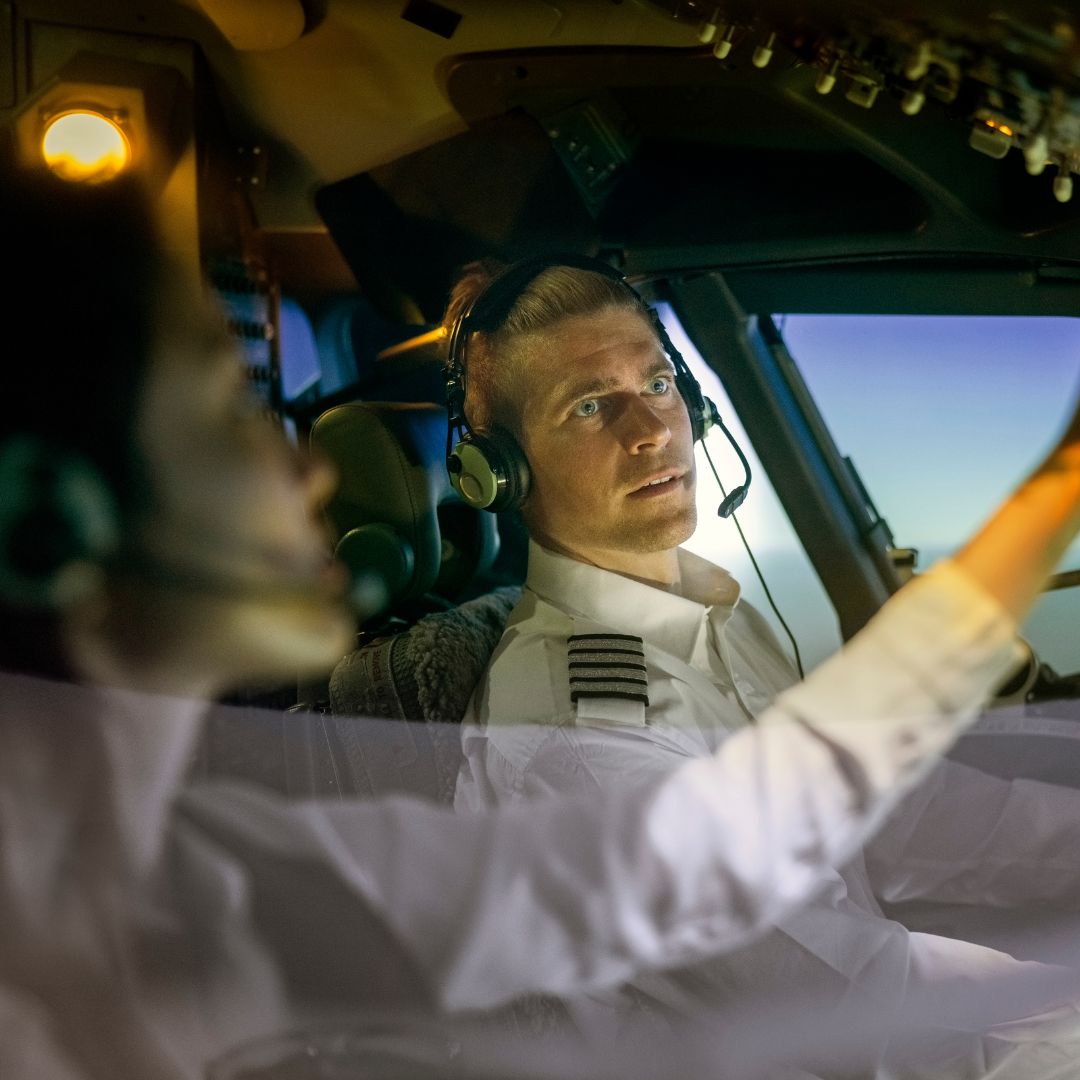
Learn How To Fly!
ABOUT HEWISON AVIATION (3)
All licenses are perpetual. However, you will need to pass a flight review with an FAA certificated instructor every 2 years.
No, but we recommend you to take a introductory flight lesson to if you want to get the basic understanding of what it is like to learn to fly.
Yes, you can find information on the requirement for obtaining a tailwheel endorsement here.
DISCOVERY FLIGHTS (1)
No, but we recommend you to take a introductory flight lesson to if you want to get the basic understanding of what it is like to learn to fly.
FEDERAL AVIATION REGULATIONS (5)
There are five primary types of licenses. Private Pilot License: For individuals who want to fly for pleasure or personal business. Commercial Pilot License: For individuals who intend to obtain employment as a pilot. Sports Pilot License: For individuals who only want to fly light-sport aircraft. Instrument Rating: For individuals who can fly under IFR (Instrument Flight Rules). Recreational Pilot License: For individuals who can fly aircraft up to 180 horsepower with 4 seating capacity in the daytime and only for personal usage or hobby.
Typically, to obtain a private pilot license, it requires 60-70 hours of flight time. This can be accompished in as little as four months or may take a little over a year depending on how much time you can dedicate towards your training. For commercial pilot license it takes 150 – 275 hours of flight time and can take 1 to 3 years depending on your time and availability. Training is very much dependent on how committed you are to learning to fly and how frequently you fly. To learn how to become and airline pilot and how long it takes, feel free to call or text us.
All licenses are perpetual. However, you will need to pass a flight review with an FAA certificated instructor every 2 years.
You may start your training without obtaining any medical certificate, however, before you start flying by yourself without an instructor, you need to obtain appropriate FAA medical certificates. There are 1st, 2nd, and 3rd class medical certificates. The minimum requirement for a student pilot is to obtain a 3rd class medical certificate. To work as an airline pilot or instructor, you need to obtain a 1st class medical certificate.
We do not offer this training, but our partner, MVCC, in Rome, NY offers this training.
FINANCIAL AID (1)
Yes! Hewison Aviation is partnered with Purdue Global, and you can obtain a B.S. Degree in Professional Aviation.
FLIGHT TRAINING IN NEW YORK (10)
To become a pilot, you need to complete a professional training program and get a pilot certificate under a Part 61 or Part 141 flight school. We offer training in both Part 61 and Part 141 formats. Part 141 is generally for those that want to make a career out of aviation. If you are starting out, the first step is to become a Private Pilot.
There are five primary types of licenses. Private Pilot License: For individuals who want to fly for pleasure or personal business. Commercial Pilot License: For individuals who intend to obtain employment as a pilot. Sports Pilot License: For individuals who only want to fly light-sport aircraft. Instrument Rating: For individuals who can fly under IFR (Instrument Flight Rules). Recreational Pilot License: For individuals who can fly aircraft up to 180 horsepower with 4 seating capacity in the daytime and only for personal usage or hobby.
The costs depend on the type of license and course you are seeking. For a particular course, the cost also varies depending on the hours taken to complete the training. Feel free to call for a more in-depth explanation on this. Here is a link to our current rates. Here is a link for the likely cost to become a commercial pilot and what you need to get paid to fly!!
You may start your training without obtaining any medical certificate, however, before you start flying by yourself without an instructor, you need to obtain appropriate FAA medical certificates. There are 1st, 2nd, and 3rd class medical certificates. The minimum requirement for a student pilot is to obtain a 3rd class medical certificate. To work as an airline pilot or instructor, you need to obtain a 1st class medical certificate.
No, you do not require any prior experiences or qualifications to learn to fly. You can become a pilot. Here are the steps to achieving your dream.
Yes, you can find information on the requirement for obtaining a tailwheel endorsement here.
We do not offer this training, but our partner, MVCC, in Rome, NY offers this training.
No, but in general you should be under 6′-6″ to be comfortable in our training aircraft and under 250 pounds. If you are over these numbers please call Maura at 518-415-5107 to discuss in further detail.
Yes! Flying airplanes is very safe in comparison to many day-to-day activities such as driving cars or motorcycles or even taking the train. Our Piper aircraft have an exceptional in safety rating. In 2022, there were only 20 accidents on U.S. Airlines out of roughly 8.4 million departures, resulting in one fatality, according to the National Transportation Safety Board.
A corporate pilot is a commercial pilot or airline transport pilot (ATP) who flies for one or more corporations instead of the airlines. These pilots are often responsible for ferrying corporate executives and managers between meetings and operations. These pilots most often fly mid-sized business and executive jets or turboprop airplanes like the Kingair or PC-12.
HEWISON AVIATION AIRPLANES (1)
Yes! Flying airplanes is very safe in comparison to many day-to-day activities such as driving cars or motorcycles or even taking the train. Our Piper aircraft have an exceptional in safety rating. In 2022, there were only 20 accidents on U.S. Airlines out of roughly 8.4 million departures, resulting in one fatality, according to the National Transportation Safety Board.
HOW TO BECOME A PILOT (15)
To become a pilot, you need to complete a professional training program and get a pilot certificate under a Part 61 or Part 141 flight school. We offer training in both Part 61 and Part 141 formats. Part 141 is generally for those that want to make a career out of aviation. If you are starting out, the first step is to become a Private Pilot.
There are five primary types of licenses. Private Pilot License: For individuals who want to fly for pleasure or personal business. Commercial Pilot License: For individuals who intend to obtain employment as a pilot. Sports Pilot License: For individuals who only want to fly light-sport aircraft. Instrument Rating: For individuals who can fly under IFR (Instrument Flight Rules). Recreational Pilot License: For individuals who can fly aircraft up to 180 horsepower with 4 seating capacity in the daytime and only for personal usage or hobby.
Typically, to obtain a private pilot license, it requires 60-70 hours of flight time. This can be accompished in as little as four months or may take a little over a year depending on how much time you can dedicate towards your training. For commercial pilot license it takes 150 – 275 hours of flight time and can take 1 to 3 years depending on your time and availability. Training is very much dependent on how committed you are to learning to fly and how frequently you fly. To learn how to become and airline pilot and how long it takes, feel free to call or text us.
The costs depend on the type of license and course you are seeking. For a particular course, the cost also varies depending on the hours taken to complete the training. Feel free to call for a more in-depth explanation on this. Here is a link to our current rates. Here is a link for the likely cost to become a commercial pilot and what you need to get paid to fly!!
All licenses are perpetual. However, you will need to pass a flight review with an FAA certificated instructor every 2 years.
You may start your training without obtaining any medical certificate, however, before you start flying by yourself without an instructor, you need to obtain appropriate FAA medical certificates. There are 1st, 2nd, and 3rd class medical certificates. The minimum requirement for a student pilot is to obtain a 3rd class medical certificate. To work as an airline pilot or instructor, you need to obtain a 1st class medical certificate.
No, you do not require any prior experiences or qualifications to learn to fly. You can become a pilot. Here are the steps to achieving your dream.
No, but we recommend you to take a introductory flight lesson to if you want to get the basic understanding of what it is like to learn to fly.
Yes, you can find information on the requirement for obtaining a tailwheel endorsement here.
We do not offer this training, but our partner, MVCC, in Rome, NY offers this training.
No, but in general you should be under 6′-6″ to be comfortable in our training aircraft and under 250 pounds. If you are over these numbers please call Maura at 518-415-5107 to discuss in further detail.
Yes! Hewison Aviation is partnered with Purdue Global, and you can obtain a B.S. Degree in Professional Aviation.
Yes! Flying airplanes is very safe in comparison to many day-to-day activities such as driving cars or motorcycles or even taking the train. Our Piper aircraft have an exceptional in safety rating. In 2022, there were only 20 accidents on U.S. Airlines out of roughly 8.4 million departures, resulting in one fatality, according to the National Transportation Safety Board.
A corporate pilot is a commercial pilot or airline transport pilot (ATP) who flies for one or more corporations instead of the airlines. These pilots are often responsible for ferrying corporate executives and managers between meetings and operations. These pilots most often fly mid-sized business and executive jets or turboprop airplanes like the Kingair or PC-12.
A cargo pilot is a pilot who prefers to move property rather than people. These can be either commercial pilots or airline transport pilots (ATPs) that perform cargo operations. Cargo operations range from small deliveries to isolated island settlements to express air transport in large cargo aircraft. Larger cargo operations often involve long-distance flights between loading facilities. Companies like FedEx, Atlas, and UPS all make regular use of cargo pilots.
STEPS TO BECOME A PILOT (17)
To become a pilot, you need to complete a professional training program and get a pilot certificate under a Part 61 or Part 141 flight school. We offer training in both Part 61 and Part 141 formats. Part 141 is generally for those that want to make a career out of aviation. If you are starting out, the first step is to become a Private Pilot.
There are five primary types of licenses. Private Pilot License: For individuals who want to fly for pleasure or personal business. Commercial Pilot License: For individuals who intend to obtain employment as a pilot. Sports Pilot License: For individuals who only want to fly light-sport aircraft. Instrument Rating: For individuals who can fly under IFR (Instrument Flight Rules). Recreational Pilot License: For individuals who can fly aircraft up to 180 horsepower with 4 seating capacity in the daytime and only for personal usage or hobby.
Typically, to obtain a private pilot license, it requires 60-70 hours of flight time. This can be accompished in as little as four months or may take a little over a year depending on how much time you can dedicate towards your training. For commercial pilot license it takes 150 – 275 hours of flight time and can take 1 to 3 years depending on your time and availability. Training is very much dependent on how committed you are to learning to fly and how frequently you fly. To learn how to become and airline pilot and how long it takes, feel free to call or text us.
The costs depend on the type of license and course you are seeking. For a particular course, the cost also varies depending on the hours taken to complete the training. Feel free to call for a more in-depth explanation on this. Here is a link to our current rates. Here is a link for the likely cost to become a commercial pilot and what you need to get paid to fly!!
All licenses are perpetual. However, you will need to pass a flight review with an FAA certificated instructor every 2 years.
You may start your training without obtaining any medical certificate, however, before you start flying by yourself without an instructor, you need to obtain appropriate FAA medical certificates. There are 1st, 2nd, and 3rd class medical certificates. The minimum requirement for a student pilot is to obtain a 3rd class medical certificate. To work as an airline pilot or instructor, you need to obtain a 1st class medical certificate.
No, you do not require any prior experiences or qualifications to learn to fly. You can become a pilot. Here are the steps to achieving your dream.
No, but we recommend you to take a introductory flight lesson to if you want to get the basic understanding of what it is like to learn to fly.
Yes, you can find information on the requirement for obtaining a tailwheel endorsement here.
We do not offer this training, but our partner, MVCC, in Rome, NY offers this training.
No, but in general you should be under 6′-6″ to be comfortable in our training aircraft and under 250 pounds. If you are over these numbers please call Maura at 518-415-5107 to discuss in further detail.
Yes. In the United States, an Air Boss Letter of Authorization (LoA) issued by the FAA is mandatory for any air show since January 1, 2020. This requirement also applies to events with drones or parachutists. Air bosses are critical for ensuring the safety and entertainment of an air show. Learn more here.
Yes. In the United States an Air Boss is recognized by the FAA in a Letter of Authorization (LOA). Learn more here.
Yes! Hewison Aviation is partnered with Purdue Global, and you can obtain a B.S. Degree in Professional Aviation.
Yes! Flying airplanes is very safe in comparison to many day-to-day activities such as driving cars or motorcycles or even taking the train. Our Piper aircraft have an exceptional in safety rating. In 2022, there were only 20 accidents on U.S. Airlines out of roughly 8.4 million departures, resulting in one fatality, according to the National Transportation Safety Board.
A corporate pilot is a commercial pilot or airline transport pilot (ATP) who flies for one or more corporations instead of the airlines. These pilots are often responsible for ferrying corporate executives and managers between meetings and operations. These pilots most often fly mid-sized business and executive jets or turboprop airplanes like the Kingair or PC-12.
A cargo pilot is a pilot who prefers to move property rather than people. These can be either commercial pilots or airline transport pilots (ATPs) that perform cargo operations. Cargo operations range from small deliveries to isolated island settlements to express air transport in large cargo aircraft. Larger cargo operations often involve long-distance flights between loading facilities. Companies like FedEx, Atlas, and UPS all make regular use of cargo pilots.
WHAT IS AN AIR BOSS (2)
Yes. In the United States, an Air Boss Letter of Authorization (LoA) issued by the FAA is mandatory for any air show since January 1, 2020. This requirement also applies to events with drones or parachutists. Air bosses are critical for ensuring the safety and entertainment of an air show. Learn more here.
Yes. In the United States an Air Boss is recognized by the FAA in a Letter of Authorization (LOA). Learn more here.
ABOUT HEWISON AVIATION (3)
No, but we recommend you to take a introductory flight lesson to if you want to get the basic understanding of what it is like to learn to fly.
Yes, you can find information on the requirement for obtaining a tailwheel endorsement here.
DISCOVERY FLIGHTS (1)
No, but we recommend you to take a introductory flight lesson to if you want to get the basic understanding of what it is like to learn to fly.
FEDERAL AVIATION REGULATIONS (5)
There are five primary types of licenses. Private Pilot License: For individuals who want to fly for pleasure or personal business. Commercial Pilot License: For individuals who intend to obtain employment as a pilot. Sports Pilot License: For individuals who only want to fly light-sport aircraft. Instrument Rating: For individuals who can fly under IFR (Instrument Flight Rules). Recreational Pilot License: For individuals who can fly aircraft up to 180 horsepower with 4 seating capacity in the daytime and only for personal usage or hobby.
Typically, to obtain a private pilot license, it requires 60-70 hours of flight time. This can be accompished in as little as four months or may take a little over a year depending on how much time you can dedicate towards your training. For commercial pilot license it takes 150 – 275 hours of flight time and can take 1 to 3 years depending on your time and availability. Training is very much dependent on how committed you are to learning to fly and how frequently you fly. To learn how to become and airline pilot and how long it takes, feel free to call or text us.
All licenses are perpetual. However, you will need to pass a flight review with an FAA certificated instructor every 2 years.
You may start your training without obtaining any medical certificate, however, before you start flying by yourself without an instructor, you need to obtain appropriate FAA medical certificates. There are 1st, 2nd, and 3rd class medical certificates. The minimum requirement for a student pilot is to obtain a 3rd class medical certificate. To work as an airline pilot or instructor, you need to obtain a 1st class medical certificate.
We do not offer this training, but our partner, MVCC, in Rome, NY offers this training.
FINANCIAL AID (1)
Yes! Hewison Aviation is partnered with Purdue Global, and you can obtain a B.S. Degree in Professional Aviation.
FLIGHT TRAINING IN NEW YORK (10)
To become a pilot, you need to complete a professional training program and get a pilot certificate under a Part 61 or Part 141 flight school. We offer training in both Part 61 and Part 141 formats. Part 141 is generally for those that want to make a career out of aviation. If you are starting out, the first step is to become a Private Pilot.
There are five primary types of licenses. Private Pilot License: For individuals who want to fly for pleasure or personal business. Commercial Pilot License: For individuals who intend to obtain employment as a pilot. Sports Pilot License: For individuals who only want to fly light-sport aircraft. Instrument Rating: For individuals who can fly under IFR (Instrument Flight Rules). Recreational Pilot License: For individuals who can fly aircraft up to 180 horsepower with 4 seating capacity in the daytime and only for personal usage or hobby.
The costs depend on the type of license and course you are seeking. For a particular course, the cost also varies depending on the hours taken to complete the training. Feel free to call for a more in-depth explanation on this. Here is a link to our current rates. Here is a link for the likely cost to become a commercial pilot and what you need to get paid to fly!!
You may start your training without obtaining any medical certificate, however, before you start flying by yourself without an instructor, you need to obtain appropriate FAA medical certificates. There are 1st, 2nd, and 3rd class medical certificates. The minimum requirement for a student pilot is to obtain a 3rd class medical certificate. To work as an airline pilot or instructor, you need to obtain a 1st class medical certificate.
No, you do not require any prior experiences or qualifications to learn to fly. You can become a pilot. Here are the steps to achieving your dream.
Yes, you can find information on the requirement for obtaining a tailwheel endorsement here.
We do not offer this training, but our partner, MVCC, in Rome, NY offers this training.
No, but in general you should be under 6′-6″ to be comfortable in our training aircraft and under 250 pounds. If you are over these numbers please call Maura at 518-415-5107 to discuss in further detail.
Yes! Flying airplanes is very safe in comparison to many day-to-day activities such as driving cars or motorcycles or even taking the train. Our Piper aircraft have an exceptional in safety rating. In 2022, there were only 20 accidents on U.S. Airlines out of roughly 8.4 million departures, resulting in one fatality, according to the National Transportation Safety Board.
A corporate pilot is a commercial pilot or airline transport pilot (ATP) who flies for one or more corporations instead of the airlines. These pilots are often responsible for ferrying corporate executives and managers between meetings and operations. These pilots most often fly mid-sized business and executive jets or turboprop airplanes like the Kingair or PC-12.
HEWISON AVIATION AIRPLANES (1)
Yes! Flying airplanes is very safe in comparison to many day-to-day activities such as driving cars or motorcycles or even taking the train. Our Piper aircraft have an exceptional in safety rating. In 2022, there were only 20 accidents on U.S. Airlines out of roughly 8.4 million departures, resulting in one fatality, according to the National Transportation Safety Board.
HOW TO BECOME A PILOT (15)
To become a pilot, you need to complete a professional training program and get a pilot certificate under a Part 61 or Part 141 flight school. We offer training in both Part 61 and Part 141 formats. Part 141 is generally for those that want to make a career out of aviation. If you are starting out, the first step is to become a Private Pilot.
There are five primary types of licenses. Private Pilot License: For individuals who want to fly for pleasure or personal business. Commercial Pilot License: For individuals who intend to obtain employment as a pilot. Sports Pilot License: For individuals who only want to fly light-sport aircraft. Instrument Rating: For individuals who can fly under IFR (Instrument Flight Rules). Recreational Pilot License: For individuals who can fly aircraft up to 180 horsepower with 4 seating capacity in the daytime and only for personal usage or hobby.
Typically, to obtain a private pilot license, it requires 60-70 hours of flight time. This can be accompished in as little as four months or may take a little over a year depending on how much time you can dedicate towards your training. For commercial pilot license it takes 150 – 275 hours of flight time and can take 1 to 3 years depending on your time and availability. Training is very much dependent on how committed you are to learning to fly and how frequently you fly. To learn how to become and airline pilot and how long it takes, feel free to call or text us.
The costs depend on the type of license and course you are seeking. For a particular course, the cost also varies depending on the hours taken to complete the training. Feel free to call for a more in-depth explanation on this. Here is a link to our current rates. Here is a link for the likely cost to become a commercial pilot and what you need to get paid to fly!!
All licenses are perpetual. However, you will need to pass a flight review with an FAA certificated instructor every 2 years.
You may start your training without obtaining any medical certificate, however, before you start flying by yourself without an instructor, you need to obtain appropriate FAA medical certificates. There are 1st, 2nd, and 3rd class medical certificates. The minimum requirement for a student pilot is to obtain a 3rd class medical certificate. To work as an airline pilot or instructor, you need to obtain a 1st class medical certificate.
No, you do not require any prior experiences or qualifications to learn to fly. You can become a pilot. Here are the steps to achieving your dream.
No, but we recommend you to take a introductory flight lesson to if you want to get the basic understanding of what it is like to learn to fly.
Yes, you can find information on the requirement for obtaining a tailwheel endorsement here.
We do not offer this training, but our partner, MVCC, in Rome, NY offers this training.
No, but in general you should be under 6′-6″ to be comfortable in our training aircraft and under 250 pounds. If you are over these numbers please call Maura at 518-415-5107 to discuss in further detail.
Yes! Hewison Aviation is partnered with Purdue Global, and you can obtain a B.S. Degree in Professional Aviation.
Yes! Flying airplanes is very safe in comparison to many day-to-day activities such as driving cars or motorcycles or even taking the train. Our Piper aircraft have an exceptional in safety rating. In 2022, there were only 20 accidents on U.S. Airlines out of roughly 8.4 million departures, resulting in one fatality, according to the National Transportation Safety Board.
A corporate pilot is a commercial pilot or airline transport pilot (ATP) who flies for one or more corporations instead of the airlines. These pilots are often responsible for ferrying corporate executives and managers between meetings and operations. These pilots most often fly mid-sized business and executive jets or turboprop airplanes like the Kingair or PC-12.
A cargo pilot is a pilot who prefers to move property rather than people. These can be either commercial pilots or airline transport pilots (ATPs) that perform cargo operations. Cargo operations range from small deliveries to isolated island settlements to express air transport in large cargo aircraft. Larger cargo operations often involve long-distance flights between loading facilities. Companies like FedEx, Atlas, and UPS all make regular use of cargo pilots.
STEPS TO BECOME A PILOT (17)
To become a pilot, you need to complete a professional training program and get a pilot certificate under a Part 61 or Part 141 flight school. We offer training in both Part 61 and Part 141 formats. Part 141 is generally for those that want to make a career out of aviation. If you are starting out, the first step is to become a Private Pilot.
There are five primary types of licenses. Private Pilot License: For individuals who want to fly for pleasure or personal business. Commercial Pilot License: For individuals who intend to obtain employment as a pilot. Sports Pilot License: For individuals who only want to fly light-sport aircraft. Instrument Rating: For individuals who can fly under IFR (Instrument Flight Rules). Recreational Pilot License: For individuals who can fly aircraft up to 180 horsepower with 4 seating capacity in the daytime and only for personal usage or hobby.
Typically, to obtain a private pilot license, it requires 60-70 hours of flight time. This can be accompished in as little as four months or may take a little over a year depending on how much time you can dedicate towards your training. For commercial pilot license it takes 150 – 275 hours of flight time and can take 1 to 3 years depending on your time and availability. Training is very much dependent on how committed you are to learning to fly and how frequently you fly. To learn how to become and airline pilot and how long it takes, feel free to call or text us.
The costs depend on the type of license and course you are seeking. For a particular course, the cost also varies depending on the hours taken to complete the training. Feel free to call for a more in-depth explanation on this. Here is a link to our current rates. Here is a link for the likely cost to become a commercial pilot and what you need to get paid to fly!!
All licenses are perpetual. However, you will need to pass a flight review with an FAA certificated instructor every 2 years.
You may start your training without obtaining any medical certificate, however, before you start flying by yourself without an instructor, you need to obtain appropriate FAA medical certificates. There are 1st, 2nd, and 3rd class medical certificates. The minimum requirement for a student pilot is to obtain a 3rd class medical certificate. To work as an airline pilot or instructor, you need to obtain a 1st class medical certificate.
No, you do not require any prior experiences or qualifications to learn to fly. You can become a pilot. Here are the steps to achieving your dream.
No, but we recommend you to take a introductory flight lesson to if you want to get the basic understanding of what it is like to learn to fly.
Yes, you can find information on the requirement for obtaining a tailwheel endorsement here.
We do not offer this training, but our partner, MVCC, in Rome, NY offers this training.
No, but in general you should be under 6′-6″ to be comfortable in our training aircraft and under 250 pounds. If you are over these numbers please call Maura at 518-415-5107 to discuss in further detail.
Yes. In the United States, an Air Boss Letter of Authorization (LoA) issued by the FAA is mandatory for any air show since January 1, 2020. This requirement also applies to events with drones or parachutists. Air bosses are critical for ensuring the safety and entertainment of an air show. Learn more here.
Yes. In the United States an Air Boss is recognized by the FAA in a Letter of Authorization (LOA). Learn more here.
Yes! Hewison Aviation is partnered with Purdue Global, and you can obtain a B.S. Degree in Professional Aviation.
Yes! Flying airplanes is very safe in comparison to many day-to-day activities such as driving cars or motorcycles or even taking the train. Our Piper aircraft have an exceptional in safety rating. In 2022, there were only 20 accidents on U.S. Airlines out of roughly 8.4 million departures, resulting in one fatality, according to the National Transportation Safety Board.
A corporate pilot is a commercial pilot or airline transport pilot (ATP) who flies for one or more corporations instead of the airlines. These pilots are often responsible for ferrying corporate executives and managers between meetings and operations. These pilots most often fly mid-sized business and executive jets or turboprop airplanes like the Kingair or PC-12.
A cargo pilot is a pilot who prefers to move property rather than people. These can be either commercial pilots or airline transport pilots (ATPs) that perform cargo operations. Cargo operations range from small deliveries to isolated island settlements to express air transport in large cargo aircraft. Larger cargo operations often involve long-distance flights between loading facilities. Companies like FedEx, Atlas, and UPS all make regular use of cargo pilots.
WHAT IS AN AIR BOSS (2)
Yes. In the United States, an Air Boss Letter of Authorization (LoA) issued by the FAA is mandatory for any air show since January 1, 2020. This requirement also applies to events with drones or parachutists. Air bosses are critical for ensuring the safety and entertainment of an air show. Learn more here.
Yes. In the United States an Air Boss is recognized by the FAA in a Letter of Authorization (LOA). Learn more here.